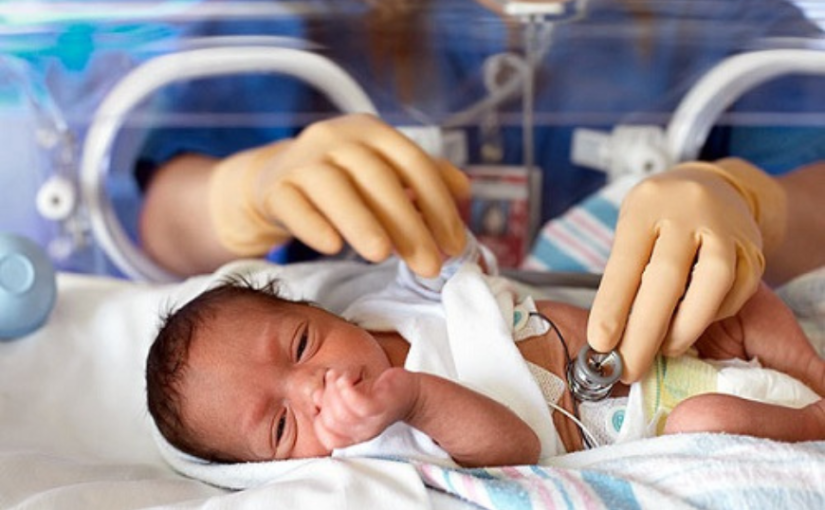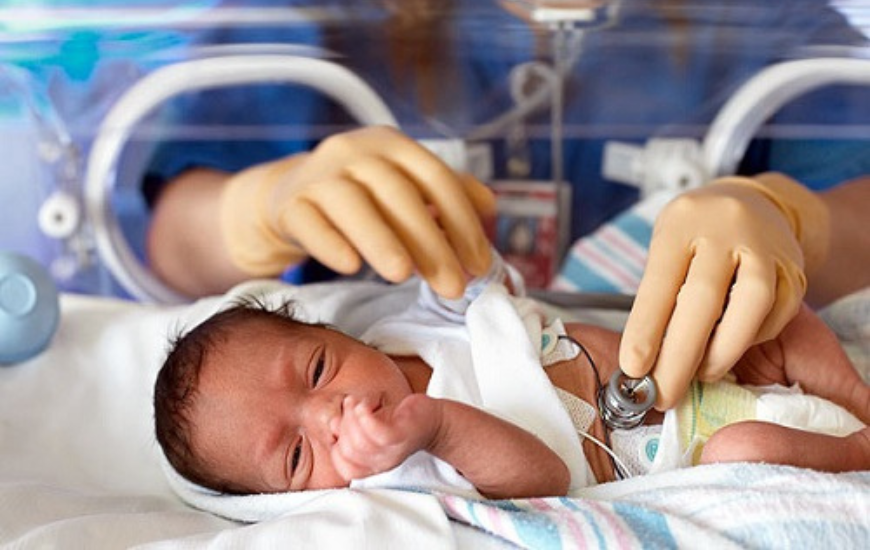
When a newborn undergoes surgery, it can be an overwhelming experience for parents. Even after a successful procedure, parents may feel anxious about feeding, wound care, sleep, movement, and signs of possible complications. Newborns require particularly careful monitoring because their bodies are still developing and they may not be able to communicate discomfort.
Understanding the basics of post-surgery care can help parents feel more confident while supporting their baby’s recovery. For families looking for the Best Neonatal Surgeon in Kolkata, proper follow-up and attentive care are important parts of the treatment journey.
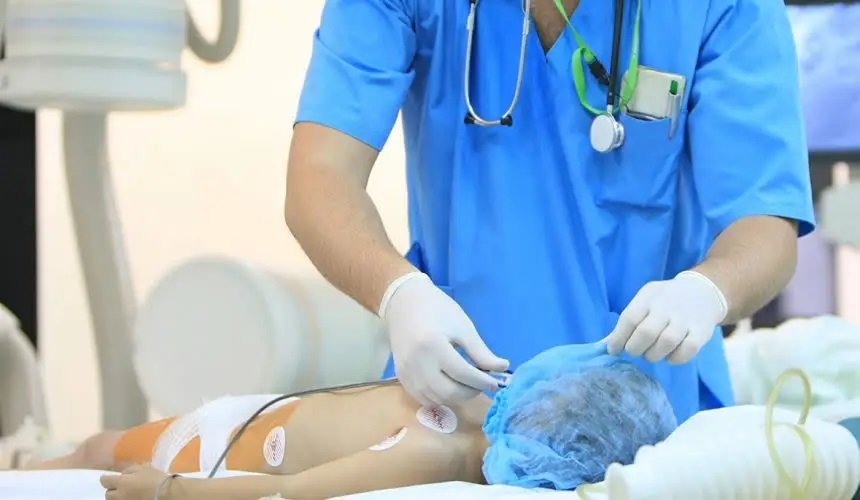
Follow the Surgical Team’s Instructions Carefully
Every newborn and every surgical procedure is different. Before taking the baby home, parents should understand the instructions provided by the surgical and medical team.
These instructions may include information about medications, feeding, bathing, wound care, activity, follow-up appointments, and warning signs. Parents should not change medication doses or stop medicines without consulting the treating doctor.
If anything is unclear, it is always better to ask the medical team rather than relying on assumptions.
Take Special Care of the Surgical Wound
Keeping the surgical area clean and protected is an important part of recovery. Parents should follow the surgeon’s specific instructions regarding dressing changes and bathing.
Avoid applying powders, oils, creams, antiseptics, or other products to the incision unless they have been recommended by the medical team.
Parents should regularly observe the wound for unusual redness, swelling, discharge, bleeding, or changes in appearance. Any concerning changes should be discussed promptly with the doctor.
Feeding After Surgery
Feeding requirements can vary depending on the newborn’s condition and the type of surgery performed. Some babies may be able to resume feeding gradually, while others may require a specially planned feeding schedule.
Parents should follow the recommendations of the surgical and pediatric team regarding breast milk, formula, feeding frequency, and the amount to be given.
If the baby repeatedly refuses feeds, vomits frequently, appears unusually weak during feeding, or has significantly fewer wet diapers, parents should seek medical advice.
Monitor Your Baby’s Behaviour
Newborns cannot explain when they are experiencing pain or discomfort. Parents therefore need to pay attention to changes in behaviour.
Excessive crying, unusual irritability, difficulty waking, poor feeding, changes in sleep patterns, or reduced responsiveness may require medical attention, particularly if these symptoms are new or persistent.
Parents know their baby’s usual behaviour best, so any significant change should be taken seriously.
Give Medicines Only as Prescribed
After surgery, a newborn may be prescribed medicines for pain, infection prevention, or other medical needs. Medication doses for newborns are carefully calculated according to factors such as weight and medical condition.
Parents should give medicines exactly as prescribed. Never give an over-the-counter medicine to a newborn without consulting the doctor.
Keeping a written record of medication times can also help prevent missed or repeated doses.
Watch for Warning Signs
Although many newborns recover well after surgery, parents should know when to seek medical help.
Contact the surgical or pediatric team promptly if the baby develops:
- Persistent or unusual fever
- Difficulty breathing
- Repeated vomiting
- Refusal to feed
- Increasing abdominal swelling
- Excessive sleepiness or unusual weakness
- Persistent or severe crying
- Bleeding or significant discharge from the wound
- Increasing redness or swelling around the surgical site
- A noticeable reduction in urine output
For serious breathing difficulties, severe bleeding, unresponsiveness, or other emergencies, immediate medical attention is necessary.
Keep Follow-Up Appointments
Follow-up visits allow the surgeon to assess healing and monitor the baby’s overall recovery. Depending on the procedure, the doctor may evaluate the wound, feeding, growth, bowel or urinary function, and other aspects of development.
Even when the baby appears completely well, parents should attend scheduled follow-up appointments unless the treating doctor advises otherwise.
Provide a Calm and Comfortable Environment
Newborns benefit from a peaceful environment while recovering. Gentle handling, adequate rest, appropriate feeding, and close parental attention can help support recovery.
Parents should also take care of themselves during this period. Caring for a newborn after surgery can be physically and emotionally demanding, and seeking help from trusted family members can make the recovery period easier.
Choosing Specialized Neonatal Surgical Care
Surgery in a newborn requires specialized understanding because newborns have unique anatomical and physiological needs. Selecting an experienced neonatal surgical team can help ensure that the baby receives appropriate care before, during, and after surgery.
For parents searching for the Best Neonatal Surgeon in Kolkata, it is important to consider the surgeon’s experience with newborn surgical conditions, the available neonatal facilities, the multidisciplinary support team, and the approach to parent communication and follow-up.
Conclusion
Post-surgery care plays an important role in a newborn’s recovery. Careful wound observation, appropriate feeding, prescribed medicines, regular monitoring, and timely follow-up can help parents support their baby’s healing.
Most importantly, parents should never hesitate to contact their baby’s medical team when something seems unusual. Early medical advice can be valuable when caring for a newborn following surgery.
Dr. Mayank Dokania provides specialized surgical care with an emphasis on careful evaluation, individualized treatment, and guidance for parents throughout the child’s surgical journey.